Helping kids understand their feelings is one of the most important skills we can teach. When children can name how they feel themselves, and then recognize feelings in others, they build empathy, confidence, and stronger relationships at home, school, and beyond.
Why Identifying Feelings Matters
Kids experience big emotions every day, but they don’t always have the words to explain them. When feelings go unnamed, they can come out as frustration, tears, or shutdowns. Teaching children to identify emotions helps them feel understood and gives them tools to express themselves in safe, healthy ways.
Once kids can recognize their own emotions, they’re better able to notice how others might be feeling too. This is where empathy grows. Understanding that a friend feels sad, nervous, or left out helps children respond with kindness, patience, and support.
Simple Ways to Improve Identifying Emotions
Ask daily check-in questions like, “How are you feeling right now?”
Talk about feelings in stories, songs, or everyday moments
Normalize all feelings and the importance of sharing when you are happy, sad, mad, or worried
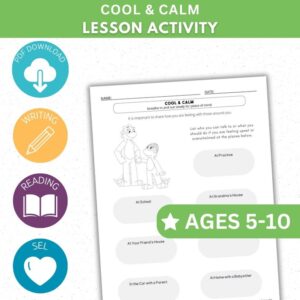
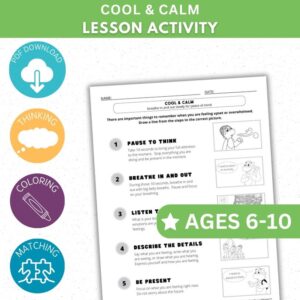
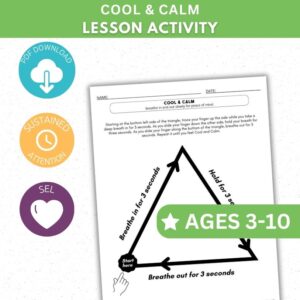
Lil’ Iguana’s How Am I Feeling? Tooklit is designed to help kids explore emotions through fun, interactive activities. With tools like emotion identification worksheets, problem-solving pages, calm-down strategies, and a feelings thermometer, children learn that all feelings are okay, and manageable.
Feelings aren’t good or bad, they’re information. When kids learn to listen to their feelings, they learn how to care for themselves and others.